
Categories
buying, real estate, selling, nashvillePublished August 13, 2026
7 Fixes That Save Your Home From Sitting on the Market

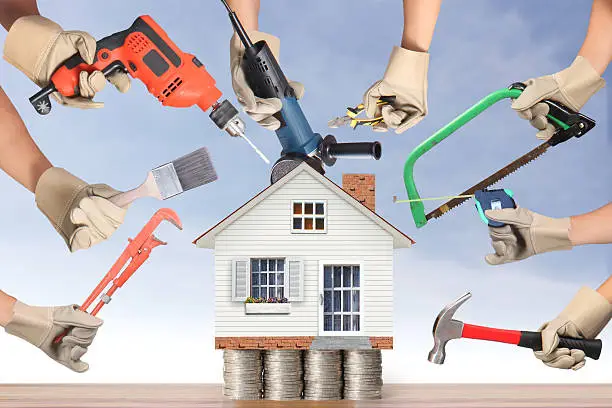
7 Fixes That Can Save Your Home From Sitting on the Market
Putting your home on the market is an exciting step—but if showings slow down and offers do not come in, frustration can quickly follow. The good news is that a home sitting on the market is often fixable. Strategic adjustments can improve buyer interest, strengthen your positioning, and help your property stand out.
Here are seven effective fixes to consider.
1. Reevaluate the Price
Pricing is one of the most important factors in attracting buyers. If your home has been listed for several weeks without serious interest, the price may not be aligned with current buyer expectations.
A strong pricing strategy should consider:
- Recent comparable sales
- Active competition
- Your home’s condition and features
- Local market trends
- The number of showings and buyer feedback
Overpricing can cause your home to be overlooked, while a well-positioned price can generate more activity and potentially multiple offers. Your real estate advisor can help determine whether a price adjustment is necessary and how much of a change may be appropriate.
2. Improve the First Impression
Buyers often form an opinion before they even walk through the front door. Small exterior improvements can make your home feel more inviting and increase interest online and in person.
Consider:
- Mowing and edging the lawn
- Trimming shrubs and removing weeds
- Adding fresh mulch
- Cleaning the front door and windows
- Replacing outdated house numbers or light fixtures
- Power-washing driveways, sidewalks, and siding
Curb appeal does not always require a major investment. A clean, cared-for exterior can make a meaningful difference.
3. Declutter and Depersonalize
Buyers need to picture themselves living in your home. Excess furniture, crowded countertops, and highly personal décor can make that difficult.
Before listing—or after your home has been on the market for a while—remove items such as:
- Oversized or unnecessary furniture
- Family photos and personal collections
- Excess décor
- Toys and paperwork
- Items stored on kitchen and bathroom counters
A cleaner, more open home typically feels larger and allows buyers to focus on its features rather than its contents. If necessary, renting a storage unit can be a worthwhile investment while your home is listed.
4. Address Small Repairs
Minor issues can create concerns about larger problems. A dripping faucet, loose cabinet handle, damaged trim, or burned-out light bulb may seem insignificant, but buyers often notice these details.
Create a checklist of repairs, including:
- Patching wall damage
- Touching up paint
- Fixing leaky faucets
- Replacing broken fixtures
- Repairing doors that stick
- Tightening loose hardware
- Replacing damaged flooring
Taking care of these items can help your home appear well-maintained and move-in ready.
5. Refresh the Most Important Rooms
You do not necessarily need to renovate your entire home. Instead, focus on the spaces that matter most to buyers—especially the kitchen, bathrooms, living areas, and primary bedroom.
Cost-effective updates may include:
- Repainting walls in neutral colors
- Replacing outdated cabinet hardware
- Updating light fixtures
- Re-caulking tubs and showers
- Replacing worn shower curtains or bath accessories
- Adding fresh, coordinated towels and linens
Before making larger upgrades, discuss your options with your real estate professional. Some renovations may add value, while others may not provide a strong return before selling.
6. Upgrade Your Marketing
If your home is not receiving enough attention, the problem may not be the property—it may be how the property is being presented.
Strong marketing should include:
- Bright, professional photography
- A compelling and accurate listing description
- A floor plan when available
- A video or virtual tour
- Accurate online information
- Strategic social media promotion
- Clear communication of the home’s best features
Photos are especially important because many buyers decide whether to schedule a showing based on the listing images. If the home has changed since the original photos were taken, updated photography may help renew interest.
7. Make Showings Easier
Even a beautiful, well-priced home can struggle if buyers have difficulty seeing it. Limited showing windows, short-notice restrictions, or an unwelcoming atmosphere can reduce the number of potential buyers who come through the door.
When possible:
- Keep the home clean and ready to show
- Allow flexible showing times
- Turn on lights and open blinds
- Keep pets secured or away from the property
- Maintain a comfortable temperature
- Leave during showings
The more convenient it is for buyers and agents to visit, the greater your opportunity to receive an offer.
Turn Buyer Feedback Into a Strategy
If your home has been listed for a while, buyer and agent feedback can provide valuable clues. Repeated comments about price, condition, odors, layout, or presentation should be taken seriously.
The goal is not to respond emotionally—it is to identify patterns and make informed decisions. Sometimes the best solution is a price adjustment. In other cases, a few repairs, improved staging, or stronger marketing may be enough to change the outcome.
Ready to Get Your Home Moving?
A home sitting on the market does not mean it cannot sell. With the right adjustments and a clear strategy, you can improve your property’s appeal and attract more qualified buyers.
As your professional real estate advisor, The Houk Group is here to help evaluate your home, review market feedback, and recommend practical next steps. For personalized guidance, contact The Houk Group at (629) 205-6773, email admin@timhouk.com, or visit .musiccitysold.com.
Follow along on Instagram at musiccitysold and subscribe on YouTube at justoutsidenashville.

Tim Houk
| The Houk Group | Keller Williams Realty Franklin | PLACE
or another way